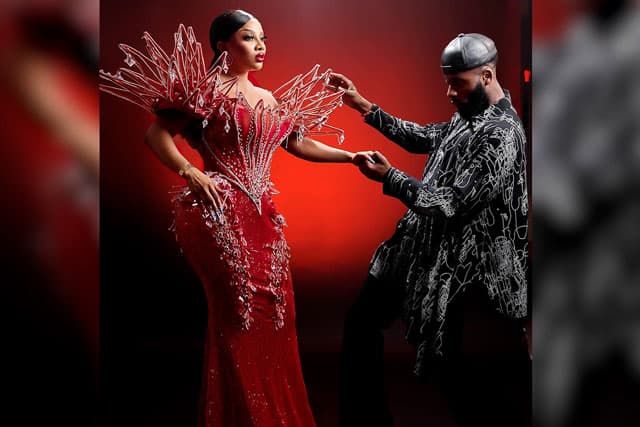

It has often believed by the stylists that the narrative in fashion imagery comes from the clothes. In recent times, within the beauty and personal care industry, African Beauty has become a strong and modern trend. It is described as a multifaceted idea that examines the rich history of self-expression and beauty rituals on the continent.
The new analysis by the global experts suggest that Africa has all the cards to become a global fashion leader. And it is supported by the increased interest in African cultural and fashion events around the world and through the rise of the interest in fashion designing professional course.
According to a recent UNESCO assessment, the African fashion industry is being driven by a number of factors, including the continent's youthful, creative, and expanding population, a growing middle class, fast urbanisation, and increased government assistance.
The fashion world now looks up to Africa …

The meteoric rise of the African fashion industry is definitely a big thing to look forward to. The fashion mentorship programs typifies the richness of Africa's diversity and cultural heritage. However, first it is necessary to improve the legal protections for professionals and designers with regard to social rights, compensation levels, working conditions, and intellectual property rights.
Small and medium-sized businesses, which currently make up 90% of companies in Africa's fashion industry, require investment. They are the guardians of the variety of cultural expression and customs that span the whole continent. Africa may employ more indigenous resources, develop sustainable textiles, and increase knowledge of sustainable consumer habits, even though the fashion industry is still one of the most polluting sectors of the economy.
Styling, global collaboration, fashion weeks... A step towards the new wave of fashion
That all being said, the cultural diversity is widely celebrated by the designers across the continent that is making waves in the global fashion trends.
- Diversity
The diversity of African dress is exquisite. Nigerian, South African, Kenyan, and Senegalese designers all find inspiration in their distinct cultural upbringings. Every article of clothing celebrates Africa's rich cultural past by telling a tale.
- Bold and vibrant
The bold use of colour and design is one of the characteristics that set African fashion apart. These patterns are a visual feast, ranging from colourful Kente cloth to intricate Ankara prints. African designers don't hesitate to try new things, and their designs are distinctive on any runway.
- Ethically sustainable
African fashion designers are setting the standard as sustainability gains global attention. Fair trade, ethical manufacture, and environmentally friendly materials are being adopted by many. They're helping to make the world greener in addition to making lovely clothes.
- Collaborations across globe and local
Local marketplaces are no longer the only places where African designers can be found. They are working with fashion houses, celebrities, and global businesses. These collaborations demonstrate how popular African fashion is throughout the world.
- Fashion weeks
These events, which range from South Africa Fashion Week to Lagos Fashion Week, highlight the continent's fashion talent. They draw worldwide buyers, influencers, and fashionistas, solidifying African fashion's place on the world stage.
Not all Africans wear African design. People all throughout the world are moved by its beauty and distinctiveness. Celebrities frequently appear on red carpets and runways around the world wearing attire with African influences.
- Diaspora influence
A major factor in the globalisation of African fashion is the African diaspora. Beyoncé, Lupita Nyong'o, and other well-known individuals proudly support African designers, bringing their work to a wider audience.
The future of African fashion looks promising. The sector keeps expanding, pushing the limits of inventiveness and providing chances for up-and-coming designers. There are countless opportunities now that African fashion is in the spotlight.
A worldwide sensation, African fashion is here to stay. It is evidence of the continent's inventiveness, tenacity, and cultural diversity. African fashion designers are telling tales that honour Africa's past, present, and future in addition to making clothes.
The Potential of the African Fashion Industry to Continue to Have an Impact Worldwide
The growing demand for ready-to-wear fashion has boosted the production and exportation of African fashion products on a large scale, making contemporary clothing designs with African fabric an area of great market potential in the continent's fashion industry.
As a result, there is now a sizable market for accessories, shoes, and apparel with African motifs that are developed elsewhere. The creation of modern international designs with distinctive African textiles creates a seductive style that is unstoppable in the local and international fashion industry. The demand for and creation of distinctive, mass-marketable, ready-to-wear, modern African-style fashion items has expanded due to this perfect combination.
It is a profitable hotspot in the African fashion industry with a lot of potential because of the growing need for greater exports of African fashion items and designs both domestically and abroad. The demand for and production of these goods, which include African fabrics, garments, bags, shoes, and contemporary clothing with an African flair, has skyrocketed globally since their introduction to international markets. African fashion companies are becoming more prominent in the global fashion business as a result of the growth in exportation of these goods, which boosts the sector's revenue and sales abroad.
There is no denying that modern African fashion has a lot of promise and has to be further developed in order to increase the industry's manufacturing income.



Discussion (0)
Join the discussion — Log in or create an account.